
Ridurre i divari di produttività nelle officine conto terzi causati da problemi quotidiani Dove si perdono tempo e capacità produttiva e come piccoli cambiamenti possono fare la differenza
Le officine conto terzi affrontano molte delle stesse sfide di pianificazione e coordinamento delle realtà più strutturate nella lavorazione della lamiera, ma senza disporre degli stessi strumenti per gestire i cambiamenti quotidiani.
La buona notizia è che esistono soluzioni pensate per queste realtà e in grado di migliorare concretamente il modo in cui la commessa viene pianificata, coordinata ed eseguita. Scopri come gli strumenti digitali possono aiutarti a sfruttare al meglio la tua organizzazione attuale.
La guida alle sei soluzioni per le officine conto terzi che lavorano la lamiera


We’re getting the same work, if not more, done in two shifts compared to what we were in three!
Scopri altri modi per migliorare la produttività della tua officina conto terzi
Non sai da dove iniziare? Scegli un tema che ti interessa e scopri come piccoli cambiamenti possono avere un grande impatto.
I preventivi manuali potrebbero rallentarti senza che tu te ne accorga
La gestione manuale dei preventivi può rappresentare un collo di bottiglia nascosto nelle officine della lavorazione della lamiera. Con flussi di preventivazione più evoluti puoi ridurre gli errori, rendere i prezzi più coerenti e ridurre i tempi di preparazione da ore a minuti.

Riprogrammi spesso? Mantieni tempi di consegna ridotti con una pianificazione intelligente
Gli strumenti tradizionali di pianificazione faticano a gestire i cambiamenti quotidiani. Una pianificazione intelligente consente di mantenere tempi di consegna contenuti aggiornando automaticamente la sequenza di lavoro quando cambiano priorità, materiali o capacità produttiva.

Le informazioni non aggiornate rallentano la tua produzione?
Quando le informazioni sono distribuite tra email, fogli di calcolo e documenti stampati, è facile lavorare con versioni non aggiornate e dover rifare la commessa. Collegare tutto a un’unica fonte dati può ridurre gli errori fino al 95%.

Aiuta il tuo reparto a lavorare meglio con flussi di lavoro quotidiani più chiari
I reparti operativi della lavorazione della lamiera sono efficienti, ma la scarsa visibilità e i continui cambi di attività possono rendere il lavoro quotidiano più complesso del necessario. Scopri come affrontare queste difficoltà.

Non ti senti pronto per il digitale? Scopri 3 miti comuni e come superarli.
I falsi miti sulla digitalizzazione possono far sembrare i miglioramenti operativi più complessi di quanto siano realmente. Facciamo chiarezza su tre convinzioni diffuse che impediscono alle officine di migliorare flussi di lavoro e processi decisionali.

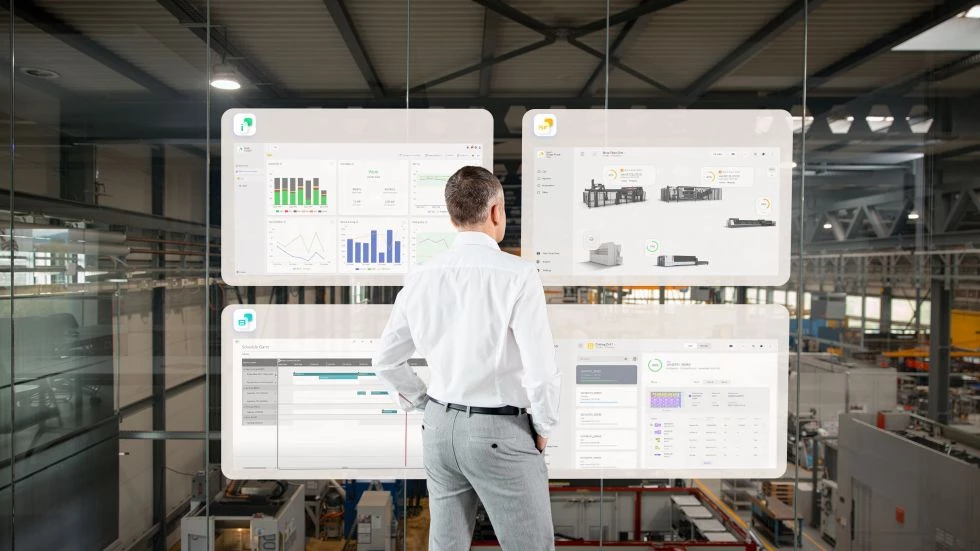
Meno attività ripetitive, flussi di lavoro più chiari con BySoft Suite
BySoft Suite aiuta le officine conto terzi a ridurre le attività ripetitive e a semplificare i processi. Informazioni connesse significano meno passaggi manuali, decisioni più rapide e maggiore trasparenza: in ufficio, in magazzino e in produzione. In questo modo il tuo team può concentrarsi su ciò che conta davvero: creare valore per i clienti.
Vuoi confrontarti sulla tua situazione attuale? Saremo felici di confrontarci con te.

Speed when it matters
Capacity when it counts
The success story of our client ‘Laser Industries’ in Plymouth impressively shows how quoting speed may be transformed from a weakness into a competitive weapon by using the right tools:
“Before, if a customer rang and said ‘I need my quote back in 20 minutes,’ we didn’t know until we sat down whether we could or not. Now I can confidently say to people, ‘Yeah, we can get that back to you.”
Common questions about digital tools in sheet metal
Over time, many job shop owners ask the same questions. We’ve collected the most common ones here, with clear and straightforward answers about sheet metal software and BySoft Suite.
-
How do I know if my sheet metal job shop is ready to start digitalizing workflows? -
What if my job shop team is not used to digital tools? -
Do digital tools make sense for a small sheet metal job shop? -
How much time does a job shop team need to adjust to a new digital setup? -
Can we start with a single digital tool, or do we need a full manufacturing software setup from the beginning? -
How do digital workflows fit with existing tools like Excel, thrid party ERP, or CAM systems? -
How much disruption should we expect when implementing sheet metal software?
You’re ready when manual coordination starts costing more time than changing the process. Most sheet metal job shops already meet the basic requirement: established processes. You don’t need to implement everything at once. Many shops start small and expand step by step.
That’s completely normal. Most teams adapt quickly because connected systems reduce stress rather than increase it. Operators no longer chase program versions, planners no longer update spreadsheets every hour, and warehouse workers don’t wait for last-minute instructions. The system is implemented based on the requirements of the key users, and training is provided so they can work without interruptions from day one.
Yes, it makes sense. Bystronic’s digital tools are designed specifically for small and mid-size shops with limited staff. You don’t need a large IT department or complex systems to benefit.
The teams are actively involved in the adaptation of the process through key users, who participate in shaping and validating the new workflows. This early involvement helps ensure that the solution fits real operational needs and reduces resistance to change.
In addition, the teams receive dedicated training, enabling them to understand the new setup quickly and apply it effectively in their daily work. With this combination of key-user involvement and structured training, teams are able to adapt to changes smoothly and in the shortest possible time.
You can start with a single tool. Many job shops begin with shop floor management, then expand to quoting with time or data analytics once they are aware of the possibilities of working with data.
Digital workflows integrate smoothly with existing tools. Bystronic solutions connect with BySoft CAM and common ERP systems, so there’s no need for a full system replacement.
Your current processes stay in place while the digital routines are introduced one by one. Most sheet metal job shops transition with little to no downtime.
You’re ready when manual coordination starts costing more time than changing the process. Most sheet metal job shops already meet the basic requirement: established processes. You don’t need to implement everything at once. Many shops start small and expand step by step.
That’s completely normal. Most teams adapt quickly because connected systems reduce stress rather than increase it. Operators no longer chase program versions, planners no longer update spreadsheets every hour, and warehouse workers don’t wait for last-minute instructions. The system is implemented based on the requirements of the key users, and training is provided so they can work without interruptions from day one.
Yes, it makes sense. Bystronic’s digital tools are designed specifically for small and mid-size shops with limited staff. You don’t need a large IT department or complex systems to benefit.
The teams are actively involved in the adaptation of the process through key users, who participate in shaping and validating the new workflows. This early involvement helps ensure that the solution fits real operational needs and reduces resistance to change.
In addition, the teams receive dedicated training, enabling them to understand the new setup quickly and apply it effectively in their daily work. With this combination of key-user involvement and structured training, teams are able to adapt to changes smoothly and in the shortest possible time.
You can start with a single tool. Many job shops begin with shop floor management, then expand to quoting with time or data analytics once they are aware of the possibilities of working with data.
Digital workflows integrate smoothly with existing tools. Bystronic solutions connect with BySoft CAM and common ERP systems, so there’s no need for a full system replacement.
Your current processes stay in place while the digital routines are introduced one by one. Most sheet metal job shops transition with little to no downtime.